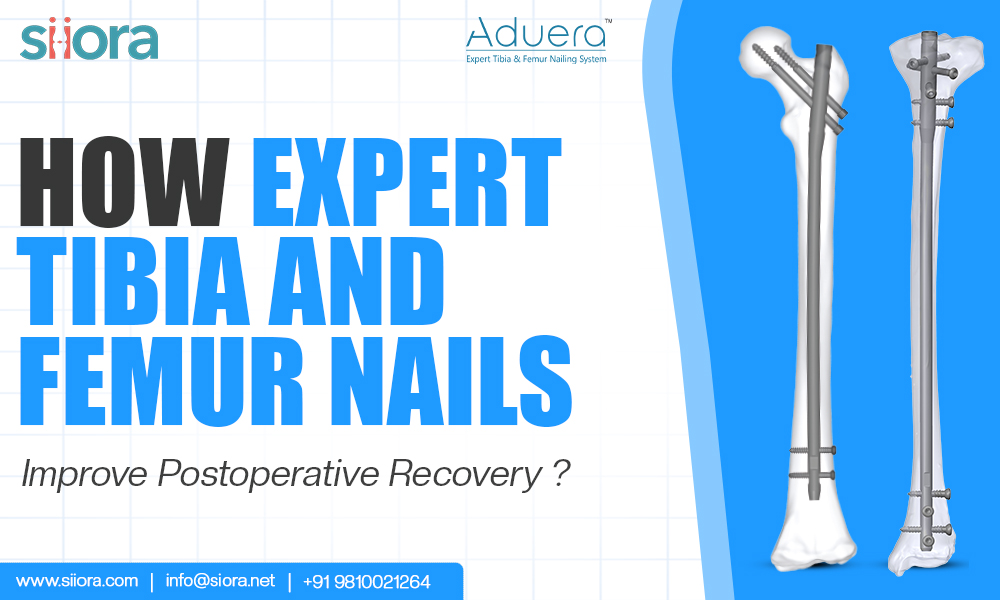
Fractures of the tibia and femur are among the most serious long bone injuries treated in orthopedic practice. These bones carry body weight and play a major role in mobility. Because of this, recovery is not only about bone healing but also about restoring movement, strength, and confidence in walking. Over the years, intramedullary nailing has become the preferred method for managing many of these fractures. When designed and applied properly, expert tibia nail and femur nail can make a clear difference in how patients recover after surgery.
Stability That Supports Early Movement
One of the biggest advantages of well-designed tibia and femur nails is stable fixation. These nails are placed inside the bone canal, which allows them to align with the natural mechanical axis of the limb. This central positioning helps distribute load more evenly across the fracture site.
When fixation is stable, patients can begin controlled movement earlier. Early mobilization reduces joint stiffness, improves circulation, and lowers the risk of complications such as deep vein thrombosis. Patients who move earlier often regain confidence faster, which positively affects overall recovery.
Better Alignment, Better Outcomes
Proper alignment during fracture fixation is essential. Expert intramedullary nails are designed to match the natural anatomy of the tibia and femur. Features such as precise locking options and anatomically contoured shapes help surgeons maintain correct length, rotation, and angulation.
When alignment is restored accurately, patients experience improved gait mechanics after healing. Poor alignment, on the other hand, can lead to long-term discomfort or abnormal stress on joints. Therefore, high-quality nail design directly contributes to smoother functional recovery.
Encouraging Natural Bone Healing
Modern nails are made from materials that support biological healing. Many are manufactured from titanium alloys, which allow a degree of controlled flexibility. This slight flexibility encourages micro-movement at the fracture site, stimulating callus formation.
Unlike very rigid fixation methods, intramedullary nails share the load with the bone. This balanced load-sharing supports natural bone remodeling. As a result, union rates are generally high when surgical technique and implant choice are appropriate.
Reduced Soft Tissue Disruption
Another important factor in postoperative recovery is the condition of surrounding soft tissues. Compared to open plating procedures, intramedullary nailing usually requires smaller incisions and less exposure. This helps preserve blood supply and reduces muscle damage.
Less soft tissue trauma often means reduced postoperative pain and faster wound healing. Patients can start physiotherapy sooner, which further improves outcomes.
Lower Risk of Implant-Related Complications
Expert nail systems are designed with multiple locking configurations that provide angular and rotational stability. Secure locking reduces the chances of implant migration or mechanical failure. In addition, high-quality surface finishing lowers the risk of corrosion and irritation.
When complications are minimized, patients avoid additional procedures and prolonged recovery periods. This contributes to both physical and psychological well-being after surgery.
Conclusion
Recovery after tibia and femur fractures depends on many factors, including patient health, surgical technique, and rehabilitation. However, the role of orthopaedic implant design should not be underestimated. Expert tibia and femur nails provide stable fixation, support biological healing, and allow earlier mobilization. By combining mechanical strength with respect for bone biology, these implants help patients return to daily activities with greater confidence and fewer complications.
 Siora Surgicals Pvt. Ltd.